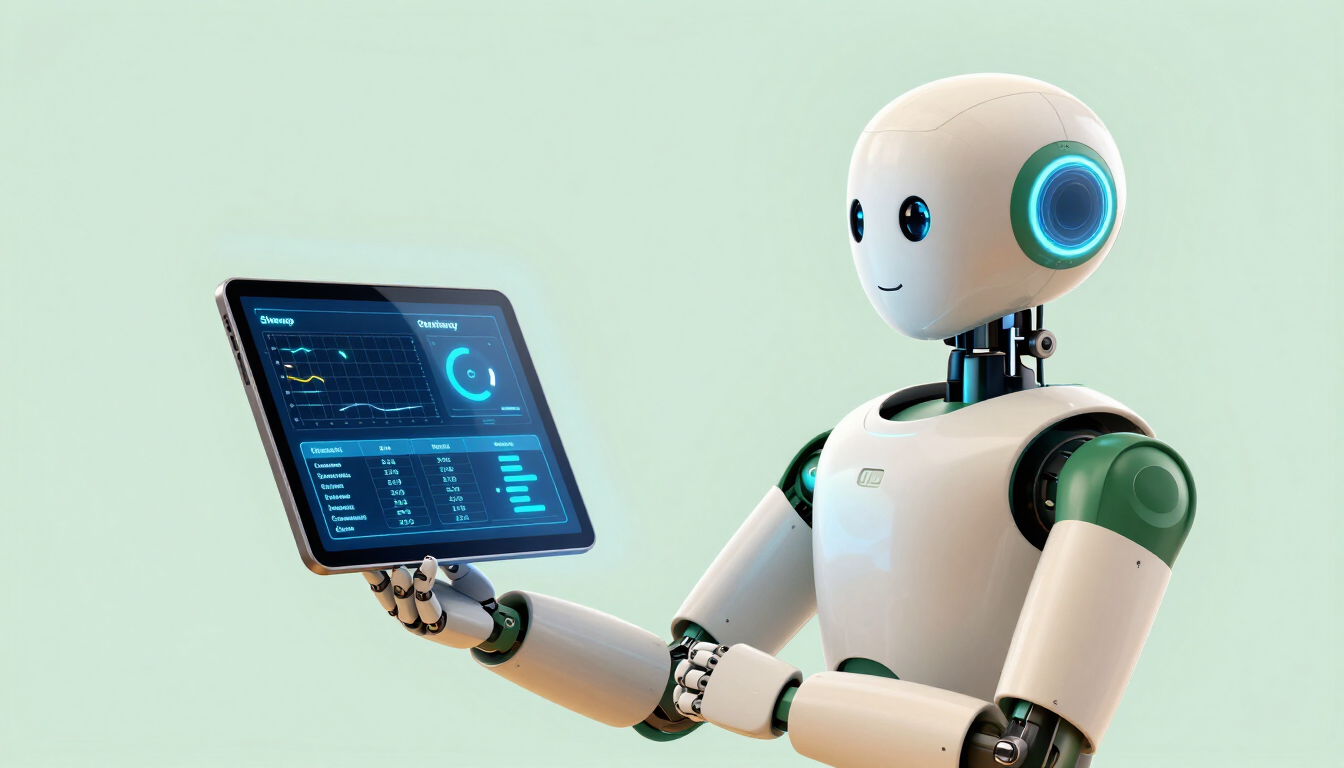
Imagine your body is like a smart car that constantly checks its own engine, fuel tank, and road conditions. Instead of always pouring in the exact same amount of gas every day, a clever computer looks at the sensors and decides: "Today you need a little more of this and less of that." That is exactly what AI-driven adaptive dosing does for supplements — and it sits at the heart of the broader move toward AI-powered supplement recommendations and personalized health.
Traditional supplement plans use fixed protocols — take 500 mg of this every morning, no matter what. Adaptive systems watch continuous signals from your body (sleep quality, heart rate variability or HRV, and blood markers) and change the dose day by day. The goal is simple: give your body precisely what it needs right now, not what a generic chart said.
This approach is rising fast because one-size-fits-all rarely fits anyone perfectly. Bodies change with stress, training, sleep, seasons, and even the previous day's meals. AI that reads real-time biomarkers can keep up — part of the same wave of AI in healthcare that is making care more personal.
What Is AI-Driven Adaptive Dosing? Explained Simply
Think of fixed dosing like a teacher who gives every student the same homework every night. Adaptive dosing is the teacher who checks how each kid slept, how tired they look, and what they already understand, then changes the homework that day.
In practice:
- Wearables and tests collect data all the time (or regularly).
- AI looks for patterns: "Your HRV dropped after poor sleep, and your recovery score is low."
- The system raises or lowers specific supplements (or changes timing) for the next day or even the same day.
- It keeps learning from how your body responds.
The key difference is the feedback loop. Fixed protocols ignore today's reality. Adaptive systems treat every day as unique — a natural extension of the personalized health management idea applied to everyday supplements.
Why Fixed Protocols Often Fall Short
Most people take the same multivitamin, magnesium, omega-3, or performance stack for months. Research and real-world data show big problems with this:
- Individual variation is huge. Two people of the same age and weight can process vitamin D, magnesium, or B vitamins very differently because of genetics, gut health, stress, and lifestyle.
- Needs change daily. Poor sleep one night can shift insulin sensitivity, inflammation, and recovery demand. A fixed dose cannot react.
- Over- or under-dosing happens quietly. You may waste money on nutrients you do not need that day or miss the amount that would actually help recovery.
- Studies on personalized approaches (for example, individualized vitamin D loading versus standard daily doses in athletes) show better results when the dose matches the person's current status rather than a population average.
Fixed protocols are easy and cheap to sell. They are not optimized for the living, changing human body.
How Continuous Biomarker Feedback Powers the System
Adaptive dosing relies on three main streams of information. Here is what each one tells the AI, explained simply.
Sleep Data
Your wearable tracks how long you sleep, how much deep sleep and REM you get, and how often you wake up.
Poor sleep raises stress hormones and lowers recovery capacity. The AI may increase magnesium, glycine, or certain adaptogens the next evening and reduce stimulating nutrients. Good sleep might allow a normal or slightly higher performance-supporting dose.
Heart Rate Variability (HRV)
HRV measures the tiny differences in time between heartbeats. Higher HRV usually means your nervous system is balanced and recovering well. Lower HRV often signals stress, overtraining, or incomplete recovery.
Many systems treat a meaningful drop in HRV (relative to your personal baseline) as a signal to shift toward recovery-focused nutrients and away from high-stimulant stacks for a day or two. Omega-3s, ashwagandha, and magnesium have shown links to supporting HRV in studies when used appropriately.
Blood Markers
Periodic blood tests (or more frequent at-home kits) measure vitamins, minerals, inflammation markers (like CRP), metabolic markers (glucose, insulin sensitivity), hormones, and nutrient status.
AI compares these against optimal ranges (not just "normal") and against your wearable trends. Low ferritin or vitamin D, for example, can trigger a temporary higher dose until levels improve, then a maintenance dose. Continuous or frequent feedback prevents both long-term deficiency and unnecessary high dosing.
Some platforms already combine all three: bloodwork + wearable data (Oura, WHOOP, Apple Health, etc.) + lifestyle input to build and update a custom formula — often working alongside other AI clinical tools that turn dense health data into decisions.
How the AI Brain Actually Makes Decisions
The process is straightforward in concept:
1. Collect — Sleep stages, HRV, resting heart rate, activity, and blood results flow into the system.
2. Compare — AI looks at your personal baseline and recent trends, not just population averages.
3. Predict and decide — Machine learning models estimate what dose is most likely to improve the next day's recovery, energy, or specific goal.
Poiščite brezreceptna prehranska dopolnila v sekundah
Vnesite izdelek, sestavino ali kategorijo za iskanje po repozitoriju.
4. Adjust and learn — The new dose is recommended or dispensed. Later data shows whether it worked. The model updates.
Patents and early commercial systems describe exactly this kind of closed-loop or iterative adjustment: biometric data → AI model → personalized supplement composition or dose → new data → refined model. Some concepts even support on-demand formulation.
Fixed Protocols vs AI-Driven Adaptive Dosing: Side-by-Side Comparison
| Aspect | Fixed Protocols | AI-Driven Adaptive Dosing |
|---|---|---|
| Dose decision | Same amount every day | Changes based on today's biomarkers |
| Data used | Age, sex, general guidelines | Continuous sleep, HRV, blood markers + history |
| Response to poor sleep | None | Can increase recovery nutrients that night or next day |
| Response to low HRV | None | Shifts toward stress-support and recovery formulas |
| Blood marker changes | Re-test every 3–6 months, then manual change | AI incorporates new labs and adjusts sooner |
| Personalization level | Low to moderate (quiz-based) | High and dynamic |
| Risk of over/under-dosing | Higher over time | Lower when data is accurate |
| User effort | Low | Higher initially (connect devices, share labs) |
| Potential for optimization | Limited | Continuously improving |
Real-World Examples and Emerging Systems
Several approaches already move in this direction:
- Platforms that take bloodwork plus wearable data (sleep, HRV, strain) and generate a custom daily formula that evolves as your biology changes.
- AI nutrition coaches that adjust daily targets (including micronutrient focus) based on recovery scores from WHOOP, Oura, or Apple Health.
- Research and patent activity around systems that reformulate or re-dose nutritional supplements using real-time or near-real-time biometric feedback.
- Broader longevity and metabolic platforms that combine continuous glucose, HRV, sleep, and periodic labs to guide lifestyle and supplement decisions.
These are still early, but the direction is clear: the more continuous and multi-layered the feedback, the more precise the adjustment can become.
The Benefits People Actually Notice
When dosing matches current need, users and early data point to:
- Better next-day recovery and higher readiness scores
- More stable energy instead of peaks and crashes
- Improved sleep quality over time (when evening nutrients are adjusted correctly)
- Less money spent on unused or excess nutrients
- Clearer cause-and-effect understanding ("When my HRV was low and I raised magnesium + omega-3, recovery bounced back faster")
Personalization studies in related areas (vitamin D dosing in athletes, adaptive training loads, individualized nutrition) consistently show advantages over rigid fixed plans.
Challenges and Realistic Limitations
Adaptive systems are powerful but not magic:
- Wearable accuracy varies. HRV and sleep staging are useful trends, not perfect medical measurements.
- Blood markers still require testing (though frequency is increasing with better home kits).
- Data privacy and security matter — you are sharing continuous health information.
- AI recommendations are not a substitute for medical care. Serious conditions need doctors.
- Quality of the underlying ingredients and formulation still matters. Smart dosing of poor ingredients does not help much.
The best systems combine strong data, transparent AI logic, and human oversight when needed.
How to Start Moving Toward Adaptive Dosing Today
1. Wear a reliable tracker that measures sleep and HRV consistently (and use it every night).
2. Get comprehensive bloodwork at least twice a year and track key markers over time.
3. Log how you feel and any major lifestyle changes alongside the data.
4. Look for platforms that already accept wearable + lab inputs and update recommendations.
5. Start simple: pick one or two nutrients (magnesium for sleep/recovery, omega-3 for HRV support) and observe how your numbers respond when you adjust based on data.
6. Review trends every 2–4 weeks rather than reacting to a single bad night.
The Bottom Line
Fixed supplement protocols were the best we could do when data was scarce. Continuous biomarker feedback from sleep, HRV, and blood markers, combined with AI that can act on that feedback in real time or near-real time, is a genuine upgrade — and a practical piece of the bigger picture of general health and wellness.
Your body is not static. Your supplement plan should not be either. AI-driven adaptive dosing turns daily intake from a rigid habit into a living conversation with your own biology. The systems are already appearing, the data streams exist, and the logic is simple enough that even an eight-year-old can grasp the core idea: listen to the sensors, then give the body what it is asking for today.
That is the shift from guessing to knowing — and it is one of the most practical ways AI is improving everyday health right now, the same principle that drives OTC Supps to make wellness easier for everyone.
Key takeaway: Adaptive dosing is not science fiction. With wearables, periodic labs, and AI that learns from your own data, your supplement plan can finally keep up with the body it is meant to support.
This article is for informational purposes only and does not constitute medical advice. Always consult a qualified healthcare professional before changing your supplement regimen.


