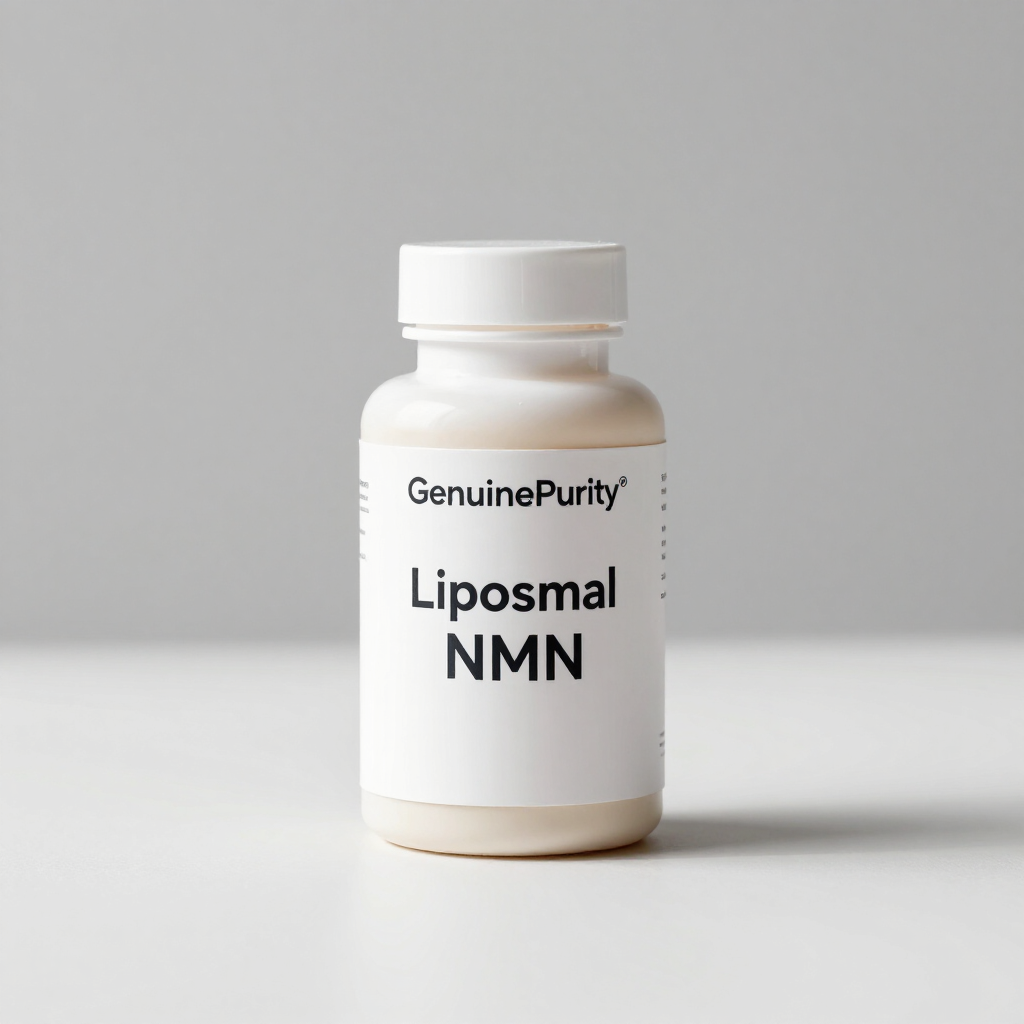
The Supplement Industry: What You Need to Know
The supplement industry is largely self-regulated, which means product quality varies wildly. Some products contain exactly what they claim at effective doses. Others are proprietary blends where individual ingredient amounts are hidden — making it impossible to evaluate efficacy.
What to Look For on the Label
1. Supplement Facts Panel
Every legitimate supplement must display a Supplement Facts panel. Look for:
- Specific ingredient names (not just "proprietary blend")
- Dosages per serving — compare to clinical study doses
- % Daily Value where applicable
2. Third-Party Testing
Look for certification seals from:
- NSF International
- USP (United States Pharmacopeia)
- Informed Sport / Informed Choice
- ConsumerLab
These organizations independently verify that products contain what they claim, at the stated amounts, without harmful contaminants.
3. GMP (Good Manufacturing Practice) Certification
GMP certification means the manufacturer follows strict quality control standards. Look for "GMP Certified" or "Made in a GMP-certified facility" on the label.
Faigh Forlíontáin Thar an gCuntar i gCúpla Soicind
Iontráil táirge, comhábhar nó catagóir chun an stór a chuardach.
Red Flags to Avoid
- "Proprietary blends" without individual ingredient doses
- Unrealistic claims ("lose 30 lbs in 30 days")
- No contact information for the manufacturer
- Extremely low prices (quality ingredients cost money)
- Missing lot numbers or expiration dates
- No return policy — confident manufacturers stand behind their products
Understanding Bioavailability
The "best" form of an ingredient matters. Examples:
- Magnesium glycinate > magnesium oxide (better absorbed, fewer side effects)
- Vitamin K2 MK-7 > MK-4 (longer half-life in the body)
- Liposomal delivery — wraps nutrients in lipid membranes for superior absorption
Starting Smart
1. Identify your specific goal before buying anything
2. Research the key ingredient — not just the brand
3. Start with one supplement at a time to assess effectiveness
4. Give it adequate time — most supplements need 4–12 weeks
5. Track your results objectively
The best supplement for you depends on your individual biology, diet, and goals. When in doubt, consult a healthcare professional.


