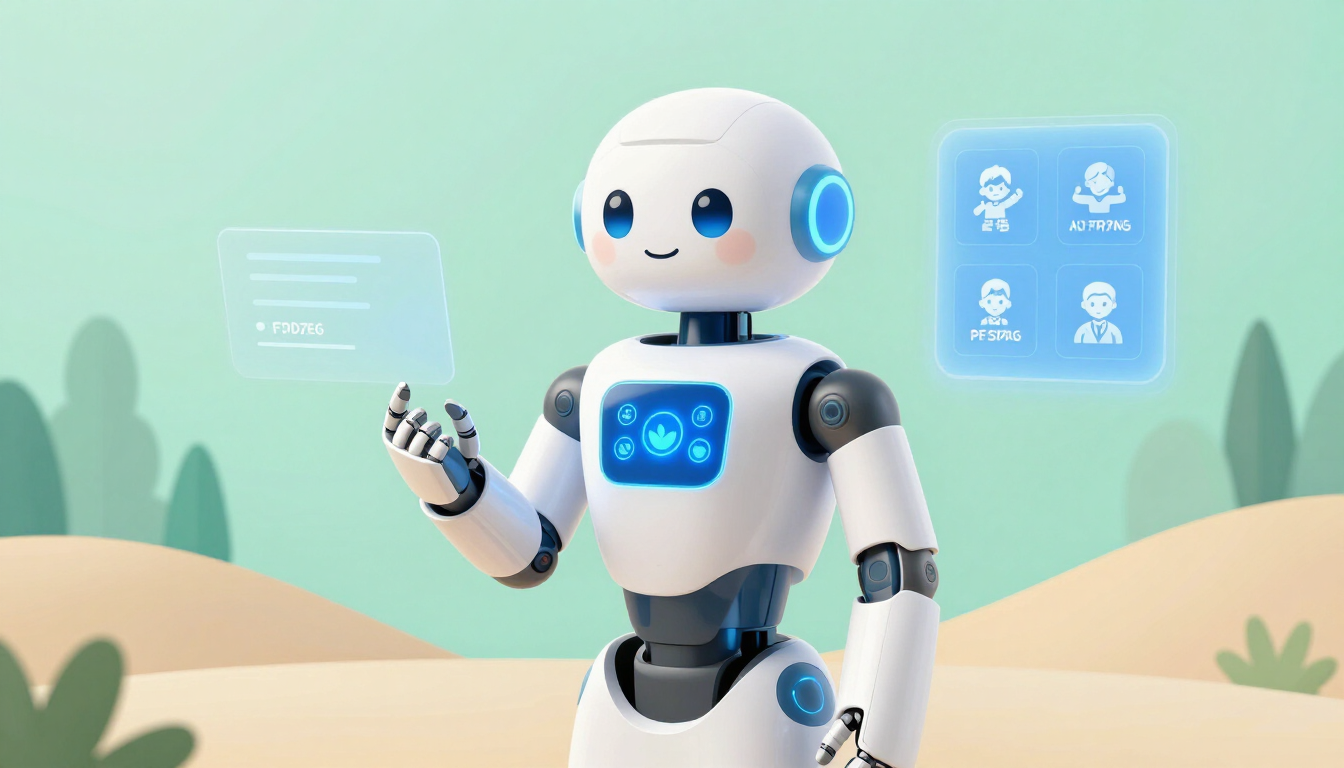
Imagine your body is a growing house. When you are little, it needs strong bricks for walls and a smart roof for the brain. When you are bigger, it needs different tools to keep the lights on, the pipes clean, and the foundation steady until the very end.
One-size-fits-all vitamins are like giving every house the same toolbox. AI personalized supplement intake is like a super-smart helper that looks at your house every year, measures what is missing, and hands you exactly the right tools at the right time — from age 1 all the way to the end of life. You can try this hands-on with the AI supplement finder.
This guide explains everything in plain language, with real data, simple comparisons, clear tables, and real-world examples. It is built to be the most complete, easy-to-read, keyword-rich resource on AI-driven lifelong personalized supplementation.
What Is AI Personalized Supplement Intake?
AI personalized supplements use artificial intelligence to create a custom plan of vitamins, minerals, and other nutrients just for you — a core part of the broader wave of AI in healthcare.
The AI looks at many pieces of information:
- Your age and stage of life
- Blood test results
- DNA (genes that affect how you use nutrients)
- Gut microbiome (the tiny helpers in your belly)
- Wearable data (sleep, steps, heart rate)
- What you eat every day
- Lifestyle (exercise, stress, sunlight)
Then it calculates the exact doses and combinations you need right now — and updates them as you grow older or your health changes. This is the same idea behind AI-driven adaptive dosing systems that adjust intake in real time based on continuous feedback.
Think of it as a personal nutrition coach that never sleeps and gets smarter every time it learns something new about you.
Studies show AI-guided plans can outperform regular doctor or standard recommendations. One pilot study found AI-guided supplements lowered bad cholesterol (LDL) by 25.3% versus 15.2% with traditional physician guidance. Systematic reviews report better blood sugar control, fewer gut symptoms, and higher adherence when AI personalizes the advice.
Why Age Changes Everything (Your Body Is Not the Same at 5 and 75)
Your nutrient needs shift dramatically across life. A toddler's body is building new cells at top speed. A teenager's body is flooded with hormones. An older adult's body absorbs some vitamins less well and needs extra support for bones and brain.
AI tracks these shifts automatically. It does not guess. It uses data. This kind of continuous, personalized health management across the lifespan is exactly what AI health personal agents are built to do.
Below is a simple overview of the biggest changes by life stage.
Ages 1–3: The Toddler Construction Zone
Your little body is building bones, brain connections, and a strong immune system at lightning speed.
Key needs (simple version):
- Iron for growing blood and brain
- Vitamin D and calcium for strong bones
- DHA (a special omega-3) for brain and eyes
- Zinc for immunity and growth
Why AI helps: Many toddlers are picky eaters. AI can look at food diaries, growth charts, and blood tests to spot hidden gaps early — before problems show up.
Example: A 2-year-old who only wants pasta and bananas may be low in iron and zinc. AI flags this, suggests a gentle liquid multivitamin with exact doses, and adjusts when solid foods improve.
Ages 4–12: School Years and Growing Strong
Kids need steady fuel for school focus, sports, and fighting colds.
Key nutrients that often run low:
- Vitamin D (many kids get too little sunlight)
- Calcium and magnesium for bones and calm nerves
- Omega-3s for attention and mood
- Iron (especially in growing boys and girls)
AI can connect to activity trackers and school lunch data to fine-tune doses so kids get what they need without overload.
Ages 13–18: The Teen Transformation
Hormones explode. Bodies grow taller and stronger almost overnight. Girls start needing more iron because of periods. Both boys and girls need extra support for skin, energy, and mood.
High-priority nutrients:
- Iron (especially for girls)
- Calcium and vitamin D (peak bone-building years)
- B vitamins for energy and stress
- Omega-3s and zinc for skin and hormones
AI advantage: Teens hate complicated plans. AI can create simple daily packs that change with sports seasons or stress levels and send reminders that actually get opened.
Ages 19–40: Peak Performance and Prevention Years
This is when many people feel invincible — yet small gaps start quietly. Energy, fertility, recovery from workouts, and long-term disease prevention all matter.
Common focus areas AI optimizes:
- Magnesium and B vitamins for stress and sleep
- Vitamin D and omega-3s for inflammation
- Antioxidants and CoQ10 for cellular energy
- Specific nutrients for pregnancy planning or athletic performance
AI shines here by combining continuous glucose data, recovery scores from wearables, and genetic insights (for example, how well you process folate) — the same personalized-nutrition logic explored in predictive models for supplement response based on ancestry and epigenetic markers.
Ages 41–60: The Midlife Shift
Hormones change. Muscle starts to decline faster. Recovery slows. Heart and brain protection become more important.
Nutrients that often need boosting:
- Vitamin D and calcium (bone density)
- Magnesium and potassium (blood pressure and sleep)
- Omega-3s and CoQ10 (heart and energy)
- B12 and folate (mood and methylation)
Women going through menopause and men dealing with gradual testosterone changes both benefit from AI that adjusts doses month by month based on symptoms and lab trends.
Ages 61 and Beyond: Protecting What Matters Most
Löydä itsehoitolisäravinteita sekunneissa
Syötä tuote, ainesosa tai kategoria hakemiston etsimiseksi.
Absorption of some nutrients (especially B12) drops. Bones thin. The brain needs extra care. Muscle loss speeds up.
Critical supports AI prioritizes:
- Higher vitamin D and calcium (or alternatives if needed)
- Vitamin B12 (often in higher or more absorbable forms)
- Protein-supporting nutrients and creatine (for muscle)
- Omega-3s, lutein, and other brain-protective compounds
- Fiber and microbiome support for gut health
AI can reduce the total number of pills by combining only what is truly needed and flag dangerous interactions with medications.
Comparison Table: Traditional Multivitamin vs AI Personalized Approach
| Aspect | Traditional One-Size Multivitamin | AI Personalized Supplement Plan |
|---|---|---|
| Doses | Same for almost everyone | Adjusted by age, labs, genes, lifestyle |
| Updates | Rarely or never | Continuous as your data changes |
| Targeting | Broad coverage | Focuses on your actual gaps |
| Waste | Often high (extra nutrients you don't need) | Minimal |
| Evidence of better results | Limited | Growing (better cholesterol, blood sugar, adherence) |
| Cost over time | Looks cheaper upfront | Often lower waste + better outcomes |
| Suitability for kids to elderly | Poor | Designed for every life stage |
Key Nutrient Needs by Life Stage (Simplified RDA Snapshot)
These are approximate daily targets based on established dietary reference intakes (values vary slightly by sex and exact guidelines). AI refines them further with personal data.
| Life Stage | Vitamin D (IU) | Calcium (mg) | Iron (mg) | Vitamin B12 (mcg) | Omega-3 EPA+DHA (mg) | Special Notes |
|---|---|---|---|---|---|---|
| 1–3 years | 600 | 700 | 7 | 0.9 | 100–200 | Focus on iron & DHA for brain |
| 4–8 years | 600 | 1,000 | 10 | 1.2 | 150–250 | Immunity & growth |
| 9–13 years | 600 | 1,300 | 8 | 1.8 | 200–300 | Peak bone building |
| 14–18 years | 600 | 1,300 | 11–15 | 2.4 | 250–500 | Higher iron for girls |
| 19–50 years | 600 | 1,000 | 8–18 | 2.4 | 250–500 | Prevention mode |
| 51–70 years | 600–800 | 1,000–1,200 | 8 | 2.4+ | 500+ | Absorption may drop |
| 71+ years | 800 | 1,200 | 8 | Higher form often needed | 500–1,000 | Brain, bone, muscle priority |
(Note: These are general RDAs/AIs. Pregnant women, athletes, and people with deficiencies need different amounts. Always work with a doctor for personal plans.)
Real-Life Examples of AI in Action Across the Lifespan
Example 1 – Age 5:
A child has low energy and frequent colds. Bloodwork shows borderline iron and vitamin D. AI recommends a child-safe liquid formula with precise doses, plus food suggestions the parents can actually get the child to eat. Three months later labs improve and colds drop.
Example 2 – Age 28:
A busy professional feels constant afternoon crashes. Wearable data + genetic test show poor magnesium status and a gene that affects folate processing. AI creates a morning B-complex + magnesium glycinate pack and tracks energy scores. Crashes decrease within weeks.
Example 3 – Age 55:
A woman entering menopause has rising blood pressure and poor sleep. AI integrates her blood pressure readings, sleep data, and hormone trends to prioritize magnesium, potassium-supporting nutrients, and a specific form of vitamin D. It also flags that her current multivitamin has too much iron now that periods have stopped.
Example 4 – Age 78:
An older adult takes several medications. AI cross-checks interactions, raises B12 to a highly absorbable form, adds vitamin D and omega-3s based on recent labs, and removes unnecessary ingredients that could irritate the stomach. The total daily pill count drops while key markers improve.
How AI Actually Builds Your Lifelong Plan
1. Collect data (blood, DNA optional, wearables, diet logs, symptoms).
2. Compare against age-specific needs and population datasets.
3. Calculate current gaps and priorities.
4. Generate a simple daily or weekly regimen.
5. Monitor results and adjust automatically.
6. Alert you (and optionally your doctor) when something important changes.
Leading platforms already combine multi-omics (genes + microbiome + blood) with AI. Market analyses show rapid growth in age-specific personalized nutrition driven by these exact technologies.
Safety, Limits, and Smart Rules
AI is powerful but not magic.
- It should never replace medical advice for serious conditions.
- Kids under certain ages need pediatric oversight.
- Some nutrients (iron, vitamin A, fat-soluble vitamins) can be harmful in excess.
- Quality of the actual supplements still matters.
The best systems keep a human expert in the loop for high-stakes decisions and clearly list sources and upper limits.
The Big Picture: From Age 1 to the Final Chapter
AI personalized supplement intake turns nutrition from a guessing game into a continuous, data-driven conversation with your own body.
It starts with the toddler building a brain and bones.
It supports the teenager through growth and identity.
It powers the adult years of performance and prevention.
It protects muscle, mind, and independence in later life.
And it adapts all the way to the end — focusing on comfort, dignity, and whatever quality of life remains possible.
The technology already exists. The science is accelerating. The people who start early and keep refining with AI will likely enjoy more years of feeling strong, clear-headed, and resilient.
Your body is unique. Your needs change every decade. AI is the first tool that can finally keep up with both — from the first birthday cake to the last peaceful years. It is a practical way to manage your general health and wellness alongside tools like OTC Supps.
Start with accurate data. Stay consistent. Let the intelligence do the heavy lifting. That is how you give yourself the best possible nutritional foundation for an entire lifetime.


